

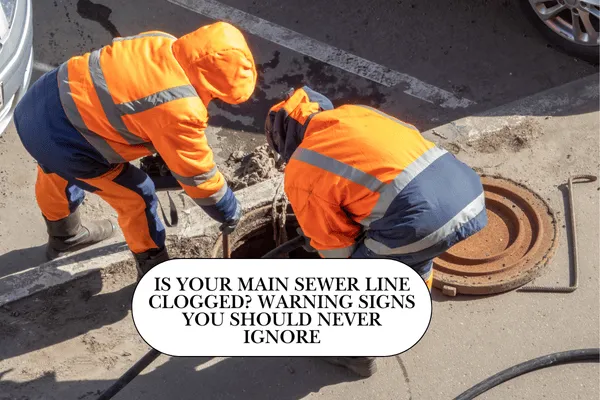
Main Sewer Line Clogged? Warning Signs You Should Never Ignore
A clogged main sewer line can create stressful problems throughout your home, and the signs often start small. Many people mistake early issues for simple drain clogs, but a main line blockage affects your entire plumbing system. When you understand the warning signs, you can act before the situation becomes unsafe or costly.
This guide explains what your main sewer line does, the symptoms you should never ignore, and how to protect your home from major damage.
What Your Main Sewer Line Does and Why It Matters
Your main sewer line carries wastewater from every drain in your home to the municipal sewer connection or septic system. It acts as the central pathway for toilets, sinks, showers, tubs, and floor drains.
When your main sewer line becomes clogged, the entire system struggles to move wastewater. This often leads to slow drains, gurgling noises, sewage backups, and pressure changes inside the pipes. A main line clog requires immediate attention because the problem will continue to worsen.
Early Warning Signs of a Clogged Main Sewer Line
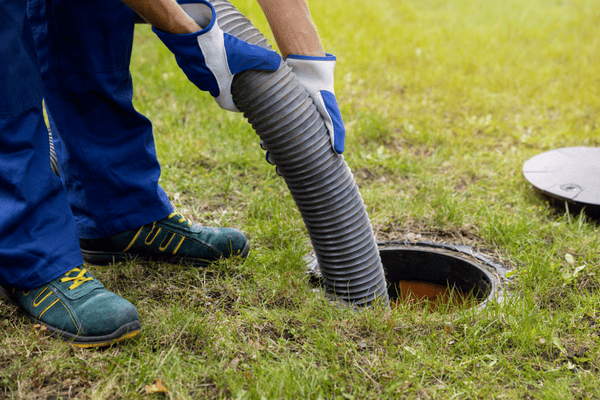
Recognizing early symptoms helps prevent property damage and health risks. These are the most common warning signs that deserve your attention.
1. Multiple Drains Back Up at the Same Time
One clogged fixture usually means a local blockage. When several drains slow down together, the issue often goes beyond a single fixture and may require clogged drain repair to restore proper flow.
2. Sewage Backs Up in the Lowest Drains
Wastewater often returns through basement drains, showers, or tubs when the main line is blocked. This happens because the wastewater cannot move past the clog, so it flows to the lowest exit point.
3. Gurgling Sounds From Drains or Toilets
Gurgling noises suggest trapped air in your plumbing system. As wastewater pushes against a blockage, air escapes through nearby drains. These sounds often indicate a developing main sewer line blockage.
4. Water Backs Up When You Flush the Toilet
If flushing your toilet causes water to back up in a tub or shower, the blockage is likely in the main line. Fixtures on the same branch line share a pathway, which creates visible cross-drain symptoms.
5. Bad Odors Coming From Drains or the Yard
Sewer gas odors can indicate a blocked main line. Wastewater and gases cannot move properly through the system when clogged. Persistent smells from drains, basements, or outdoor cleanouts deserve urgent attention.
6. Unusual Yard Changes Near the Sewer Line Path
Extra green grass patches, wet spots, or soft ground can signal a break or blockage in the main sewer line. These signs occur when wastewater escapes underground.
Common Causes of Main Sewer Line Clogs
Understanding what causes blockages helps you prevent new problems in the future.
Tree root intrusion searching for moisture
Grease buildup inside the pipe walls
Flushed wipes, paper towels, or hygiene products
Old or damaged pipes made from clay or cast iron
Heavy scale buildup restricting flow
Foreign objects entering the system
These issues reduce water flow and increase pressure inside the line. Regular inspections and proper maintenance help reduce the risk of severe clogs.
How Professionals Diagnose a Main Sewer Line Problem
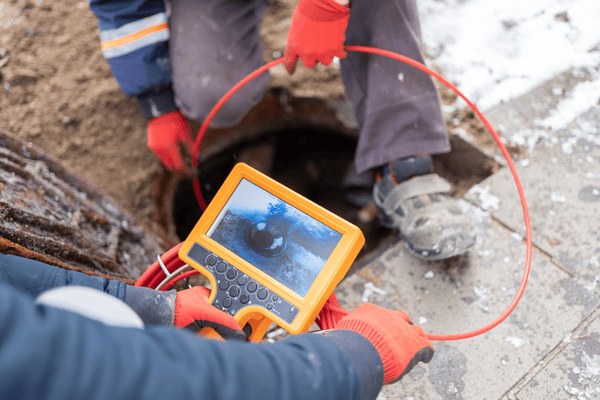
When symptoms point to a main line blockage, a plumbing professional uses several methods to identify the problem.
Camera Inspection
A waterproof camera moves through the pipe to locate blockages, breaks, roots, or collapsed sections. This gives a clear view of the main sewer line condition.
Sewer Cleanout Assessment
The cleanout provides direct access to the main line. Wastewater spilling from the cleanout almost always confirms a main line clog.
Hydro Jetting or Snaking
Professionals may use a sewer snake or hydro jet to clear the line. When damage or deterioration is discovered, long-term solutions may involve professional drain repair services rather than temporary clearing.
When You Should Never Wait to Call for Help
Ignoring a clogged main sewer line can lead to:
Sewage flooding inside your home
Damage to floors, walls, and personal property
Mold growth from contaminated water
Increased repair costs
Pipe collapse requiring full replacement
A clogged main sewer line will not clear itself, and situations like sewage backups often require emergency plumbing services to prevent serious damage. Early action protects your home and keeps your plumbing system functioning safely.
If you are unsure when to stop troubleshooting and pick up the phone, this guide on DIY vs. professional help can help you decide.
Simple Prevention Tips to Protect Your Main Sewer Line
You can reduce the risk of future clogs with a few consistent habits.
Avoid flushing wipes or hygiene products
Keep grease out of your drains
Install root barriers if needed
Schedule routine drain cleaning
Use enzyme treatments when appropriate
Request periodic camera inspections
If you want more routine ways to protect your drains year-round, these drain maintenance tips that work can help you stay ahead of clogs.
Get Help Before the Problem Worsens
If you notice warning signs of a clogged main sewer line, acting early can help prevent backups, property damage, and costly repairs. A reliable plumbing company like Sheehan Connection can diagnose the issue, clear the blockage, and restore your plumbing system safely.
For broader home protection habits that reduce surprise plumbing problems, you can also review these essential plumbing maintenance tips.
Do not wait for the issue to get worse. Call a trusted plumber today for fast, reliable sewer line help.