


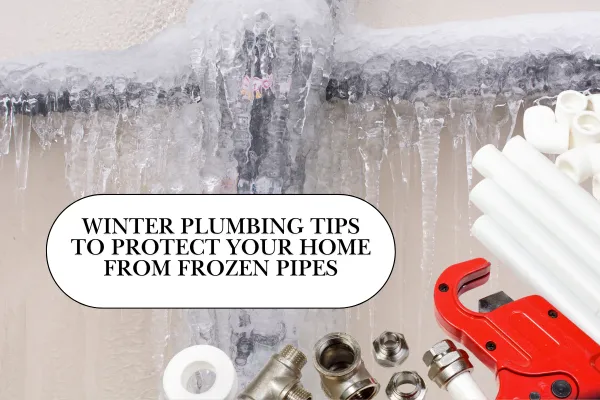
Winter Plumbing Tips to Avoid Frozen Pipe Issues
Winter brings cold temperatures that place real stress on your home plumbing. You want to protect your pipes, fixtures, and water systems before freezing weather arrives. These winter plumbing tips help you reduce risks, prevent costly damage, and keep your home comfortable all season long.
When your plumbing is properly prepared for colder conditions, you reduce the likelihood of unexpected issues and help avoid winter plumbing emergencies during prolonged freezing weather.
Why Frozen Pipes Are a Serious Winter Problem
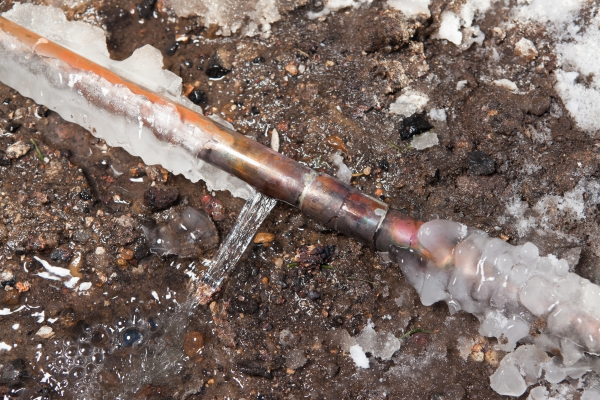
When water freezes inside a pipe, it expands and increases pressure along the pipe walls. Over time, this pressure weakens the pipe and may cause it to fail. In many cases, that failure shows up as a burst pipe once temperatures rise and water flow returns.
You reduce this risk by following consistent winter plumbing maintenance practices. Preparation helps protect your plumbing system, improves reliability, and lowers the chance of sudden winter damage.
Insulate Your Pipes Before Temperatures Drop
You protect vulnerable plumbing by adding pipe insulation to areas exposed to cold air. These locations often include basements, crawl spaces, garages, attics, and exterior walls.
Insulated pipes stay warmer and resist freezing. You also reduce strain on your plumbing system and improve overall energy efficiency.
Helpful steps include:
Wrapping exposed pipes with foam insulation sleeves
Using heat tape where insulation alone is not enough
Sealing gaps and cracks that allow cold air near plumbing
These steps help keep water moving and reduce freeze risks during extended cold periods.
Keep a Steady Indoor Temperature
Your heating system plays an important role in winter plumbing protection. Sudden drops in indoor temperature increase the chance of frozen pipes inside walls and cabinets.
You help protect plumbing by keeping your home above 55 degrees, even when traveling. Opening cabinet doors under sinks allows warm air to circulate around pipes located near exterior walls.
Let Faucets Drip During Extreme Cold
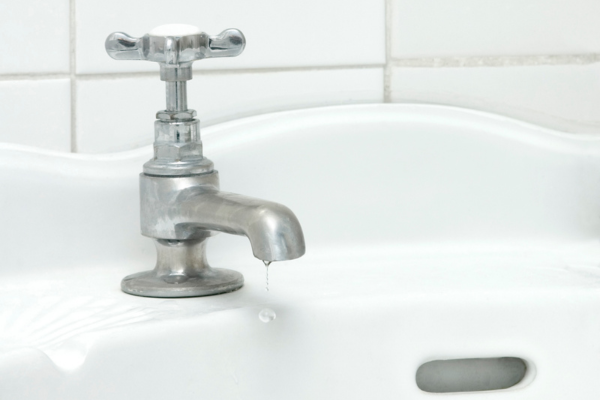
Allowing a slow drip from certain faucets helps prevent freezing. Moving water freezes slower than standing water and reduces pressure buildup inside pipes.
This approach works best for faucets connected to pipes near exterior walls or unheated spaces.
Protect Outdoor Plumbing Fixtures
Outdoor plumbing freezes faster than indoor lines and often causes winter damage. Preparing these fixtures early lowers risk.
Before winter arrives:
Disconnect and store garden hoses
Drain exterior water lines
Install insulated hose bib covers
These simple upgrades help protect pipes inside exterior walls and reduce freeze-related pressure.
Maintain Your Water Heater for Winter Performance
Cold weather increases demand on your hot water supply. Your water heater works harder during winter, especially when incoming water temperatures drop.
Simple maintenance steps help improve performance:
Flush sediment buildup for better efficiency
Check temperature settings for safe operation
Inspect for leaks, corrosion, or slow recovery
Routine care improves reliability and helps ensure steady hot water throughout the winter.
Seal Air Leaks Around Your Home
Cold air entering your home increases the chance of frozen pipes. Sealing gaps around windows, floors, foundations, and wall penetrations helps maintain stable temperatures near plumbing lines.
Weatherstripping and caulk provide an effective way to block drafts and support winter plumbing protection.
Know Where Your Main Water Shutoff Valve Is Located
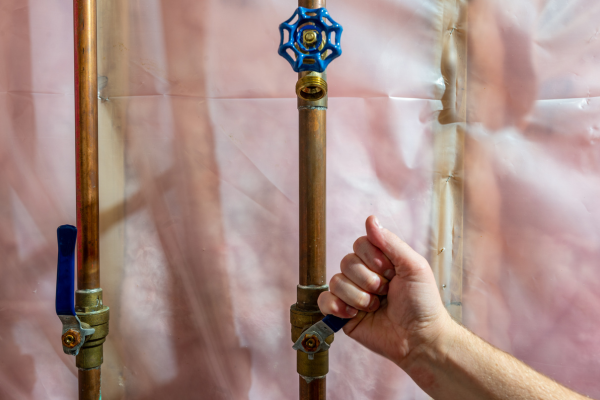
Knowing how to shut off your water supply helps limit damage during a plumbing emergency. If a pipe freezes or fails, fast action and reliable emergency plumbing services can prevent costly repairs.
Locate your main shutoff valve before winter starts
Make sure the valve is easy to access
Test the valve to confirm it turns properly
Quick access allows you to stop water flow fast, reduce damage, and maintain control until professional help arrives.
Schedule a Winter Plumbing Inspection With a Professional
A licensed plumbing professional can inspect your pipes, insulation, fixtures, drains, and water heater before winter conditions worsen. A seasonal inspection helps catch issues early and reduce the risk of plumbing problems during cold weather.
Winter weather can be unpredictable, but your plumbing does not have to be. Working with Sheehan Connection gives you reliable support from a team experienced with cold-weather plumbing concerns. If you are ready to prepare your home, you can reach out through the contact page to schedule service and get help when you need it.